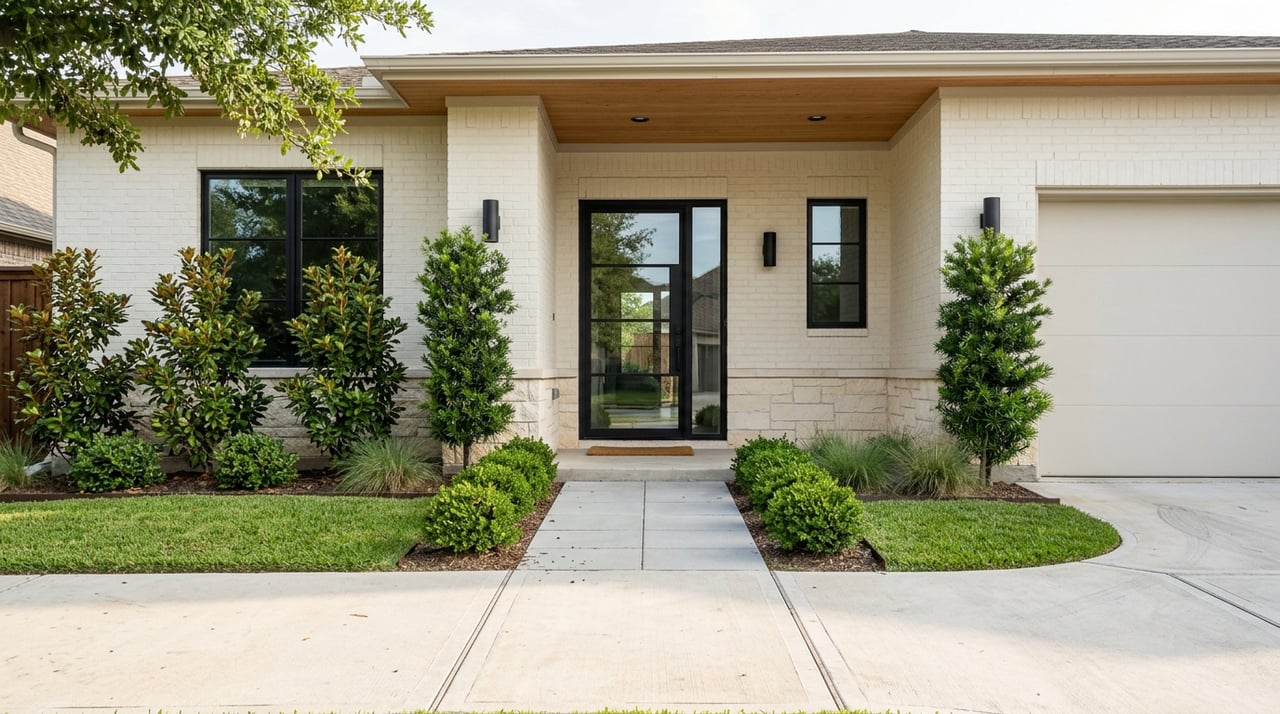
Timeline for Selling a Home in Sienna with Confidence
April 2, 2026
April 2, 2026
If you want top-dollar attention for your Sienna home, waiting until the last minute can make the process feel rushed and stressful. In a community where buyers often compare homes online first, strong presentation, clean photos, and thoughtful prep can shape how your listing is received from day one. The good news is that you do not need to do everything at once. With the right timeline, you can tackle the work in smart stages and go to market with confidence. Let’s dive in.
Sienna is part of Missouri City in Fort Bend County and is widely recognized as a large master-planned community with on-site amenities, retail, and restaurants, according to Johnson Development’s Sienna community overview. In a setting like this, buyers often have multiple homes to compare, which makes first impressions especially important.
That first impression usually happens online. The National Association of Realtors reports that buyers typically look online first, search for about 10 weeks, and rate photos as the most useful website feature when searching for a home. That means your home should be fully cleaned, repaired, and camera-ready before it officially hits the market.
A realistic prep window for a Sienna home is usually 3 to 12 months, depending on condition, age, and how much work needs to be done. If your home needs major repairs, exterior updates, or vendor scheduling, the longer timeline can make the process much smoother.
This is the planning stage. Start by choosing your listing agent, talking through your ideal timing, and setting a realistic budget for updates and prep.
It is also smart to gather appliance manuals, warranties, service records, and paperwork for major systems. According to NAR’s seller preparation guide, sellers often want help pricing their home, marketing it effectively, and deciding what is worth fixing before listing.
If your home is older or you already know there may be issues, this is also the right time to think about a pre-listing inspection. NAR notes that a pre-sale inspection is optional, but it can help uncover concerns with the roof, structure, plumbing, electrical, or HVAC before a buyer discovers them later.
Once you know the home’s condition, you can start making decisions about repairs. If an inspection identified larger items, now is the time to get estimates and decide what to address.
Even if you do not plan to fix every issue, understanding the likely cost matters. NAR’s guidance for sellers explains that buyers will often factor repair needs into negotiations, so it helps to know what may come up before you go live.
This is also the stage to handle deferred maintenance. NAR’s reporting on pre-listing inspections points out that addressing problems early can reduce surprises during a buyer’s inspection and help lower the risk of a contract falling apart.
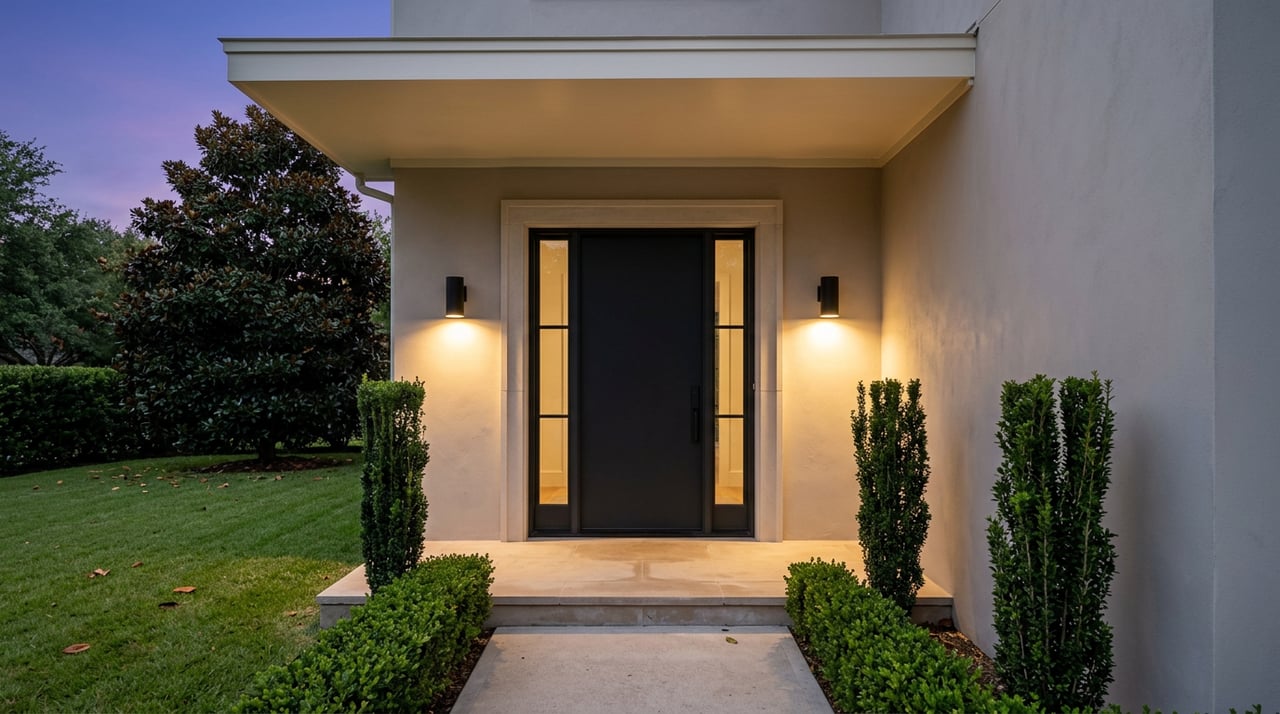
Now you can shift from major repair planning to high-impact improvements. Focus on the items that affect first impressions most, such as paint touchups, fresh caulk, pressure washing, trimmed shrubs, refreshed mulch, and working exterior lighting.
According to NAR’s consumer guide on marketing your home, cosmetic updates are not required, but cleaning, decluttering, landscaping, and paint improvements can help with both in-person impressions and listing photos.
In southeast Texas, timing matters for outdoor work. The National Hurricane Center says Atlantic hurricane season runs from June 1 through November 30 and peaks around September 10. If possible, try to finish exterior projects before the busiest storm period so weather delays do not throw off your listing schedule.
Some tasks should be handled early, even if your listing date is still months away. For Texas sellers of previously occupied single-family homes, the Texas Seller’s Disclosure Notice is an important part of the process for applicable transactions.
If your property may have flood or drainage questions, it is also wise to review that well before going live. Fort Bend County provides floodplain map resources, and the research behind this timeline notes that homes in designated Special Flood Hazard Areas generally require flood insurance.
Having these details ready early can make your listing process feel more organized and transparent. It also gives you time to answer buyer questions clearly once the home is active.
This is where your home starts looking less like everyday life and more like a polished listing. The focus now should be on decluttering, depersonalizing, deep cleaning, and staging the rooms that matter most.
You do not need to stage every room to make a strong impact. According to NAR’s 2025 home staging snapshot, 83% of buyers’ agents said staging made it easier for buyers to visualize a property as a future home, and the most commonly staged rooms were the living room, primary bedroom, and dining room.
This is also the best time to remove extra furniture, clear counters, organize closets, and store away personal items that may distract from the home itself. Buyers do not need a perfect house. They do need a space that feels open, cared for, and easy to imagine themselves in.
The last week is all about final presentation and launch coordination. Photos should happen only after cleaning, decluttering, and cosmetic fixes are complete.
NAR’s marketing guide notes that professional photography, social media, signage, open houses, and MLS exposure all play a role in marketing a home. Since buyers usually start online, this is not the stage to cut corners.
If you plan to hold an open house, timing matters here too. NAR suggests that having the first open house the weekend after the home goes live can help maximize exposure.
If you want an easy way to think about your timeline, focus on these stages:
One common mistake is underestimating how long vendor scheduling can take. Painters, landscapers, cleaners, and repair professionals may not be available exactly when you want them, especially during busy seasons.
Another issue is leaving paperwork until the end. Warranties, manuals, disclosures, and flood-related questions are much easier to manage when you gather them gradually instead of scrambling the week before listing.
Finally, many sellers focus so much on repairs that they forget the visual finish line. A home can be technically ready, but still not feel market-ready until the photos, staging, and final cleaning all come together.
Getting your Sienna home market ready is not about doing everything perfectly. It is about using a smart timeline so the right work gets done in the right order. When you give yourself enough runway, you can avoid rushed decisions, reduce surprises, and present your home in a way that supports a strong first impression.
If you are thinking about selling in Sienna, Jaime Dossett can help you build a practical prep plan, coordinate the details, and time your launch around your goals. Schedule your free neighborhood consultation.
Stay up to date on the latest real estate trends.



I am committed to guiding you every step of the way—whether you're buying a home, selling a property, or securing a mortgage. Whatever your needs, I've got you covered.

Jaime Dossett Group
2800 Kirby Dr. Suite A-206 Houston, TX, 77098