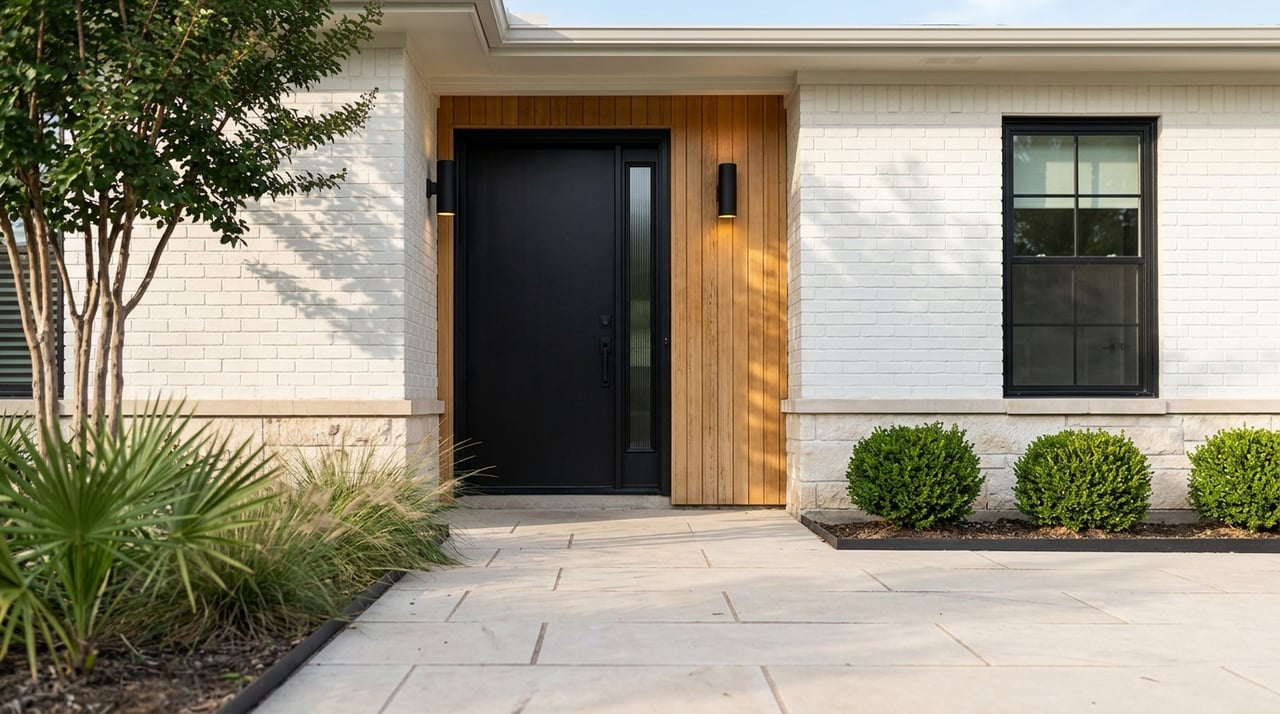
How to Sell Your Home in Sienna With Smart Pricing
June 18, 2026
June 18, 2026
If you are selling in Sienna, pricing your home right from day one can make a bigger difference than almost anything else. Many sellers see nearby list prices and assume they should aim high, but in a balanced market, buyers have choices and overpriced homes often lose momentum fast. The good news is that with the right strategy, you can price to attract serious attention, protect your value, and improve your odds of a smoother sale. Let’s dive in.
Sienna is a distinct market within Fort Bend County, and your pricing strategy should reflect that. HAR neighborhood facts show 3,628 single-family properties in Sienna, with a median year built of 2021, median square footage of 2,862, median market value of $484,304, and median price per square foot of $181.64.
That newer housing stock matters because buyers in Sienna often compare homes closely on layout, finishes, lot position, and overall condition. When homes are similar on paper, price becomes one of the fastest ways buyers decide which listings are worth touring.
HAR’s May 2026 update describes the Sienna Area as a balanced market with 5.3 months of inventory, a median sold price of $511,487, and average days on market of 59.7. In simple terms, that means sellers can still succeed, but buyers are not under pressure to accept any price.
Current for-sale data in the Sienna Area shows 617 listings, a median asking price of $524,900, and 35 days on market in June 2026. HAR’s broader Sienna neighborhood page also shows 250 active listings and 128 listings with price reductions.
That last number is especially important. A high count of price reductions usually signals that some sellers started above where the market was willing to respond.
One of the most common pricing mistakes is treating active listings as proof of value. They can be helpful for understanding your competition, but they do not show what buyers have actually agreed to pay.
In Sienna, HAR shows average list prices that sit above the neighborhood’s 2025 median market value. That gap is a useful reminder that asking prices can reflect seller goals, while sold prices reflect market reality.
If you want to price smartly, start with sold comparable homes first. Then adjust for the details that make your home more or less competitive.
A strong list price should be based on recent sold comps, not guesswork. In Sienna, that usually means comparing homes with similar square footage, age, floor plan appeal, lot type, and finish level.
After that, you should adjust for features that buyers notice right away. These often include:
A home on a more desirable lot or with meaningful updates may justify a stronger price. On the other hand, if your home needs cosmetic work or feels less turnkey than nearby competition, pricing should account for that upfront.
Pricing and presentation work together. If a home shows well, buyers are often more willing to see its value quickly.
The 2025 Profile of Home Staging found that 83% of buyers’ agents said staging made it easier for a buyer to visualize the property as a future home. The same report found that 73% said listing photos were much more or more important to clients, and 30% of sellers’ agents reported slightly faster market times when a home was staged.
That matters in a community like Sienna, where many homes are newer and visually appealing online. If your home enters the market with strong photos, clean presentation, and a price that feels aligned, you are more likely to capture interest early.
Many sellers think a small pricing change does not matter much. In reality, even modest shifts can affect how buyers find and compare your home.
HAR’s Sienna Area trend data showed median sold prices rising from $430,500 in January 2026 to $465,000 in April and $503,000 in May. During that same period, days on market fell from 59.5 in January to 30 in April and 42 in May, while transactions increased from 52 in January to 69 in April and 85 in May.
That pattern suggests timing and pricing sensitivity both matter locally. A home priced just outside a buyer’s search range, or just above what feels competitive, may lose traffic that could have turned into a showing or offer.
Sienna did see a clear spring lift in 2026. Buyer activity increased, prices moved up, and days on market improved.
Still, this is not the same as an extreme seller’s market where nearly any listing will move quickly. HAR continues to characterize the area as balanced, which means buyers still have room to compare options and wait for the right fit.
That is why a smart seller does not simply chase the highest number in the neighborhood. Instead, you want to position your home as one of the strongest values in its pricing band.
The best list price is not the highest number you can imagine. It is the number most likely to attract the right buyers at the right time.
In a balanced market with meaningful inventory and visible price reductions, your first pricing decision sets the tone. If your home launches too high, you may miss the most engaged early buyers, who are often the people watching new listings most closely.
Once a listing sits, buyers start asking questions. They may wonder whether the home is overpriced, whether something is being missed, or whether a larger reduction is coming.
If you want a practical framework, focus on these steps before you go live:
Look first at what similar homes actually sold for. Prioritize recent single-family sales in Sienna with comparable size, age, and features.
Active listings matter because buyers will compare your home against them in real time. If similar homes are sitting, that may be a sign the market is resisting that price point.
Buyers are paying attention to condition. The 2025 Remodeling Impact Report found that 46% of buyers are less willing to compromise on home condition.
The same report highlights painting and roofing among the top pre-sale projects agents recommend, along with strong buyer demand for kitchen and bathroom updates. If your home is not fully updated, pricing should reflect that.
A small shift can place your home in front of a wider pool of buyers. Pricing with common search brackets in mind can help improve visibility and showing activity.
The first days and weeks matter. If showings are light or buyer feedback consistently points to price, it is usually better to respond early than to wait too long.
In a market like Sienna, pricing is not just about plugging numbers into a formula. It takes local judgment, careful comp analysis, and a clear understanding of how your home stacks up against today’s competition.
Jaime Dossett focuses on Sienna, Missouri City, and nearby Fort Bend markets, with a strong emphasis on single-family homes in master-planned communities. Her approach is practical and hands-on, with guidance around market positioning, staging and marketing coordination, negotiation, and clear communication from listing through closing.
That kind of local context can help you avoid two costly mistakes at once: underpricing a home with strong features, or overpricing a home in a segment where buyers already have options.
A smart pricing strategy gives your home the best chance to stand out early. In Sienna, where inventory is healthy and price reductions are visible, the goal is not to test the market endlessly. The goal is to launch with a price that feels credible, competitive, and compelling.
When pricing, presentation, and timing line up, you put yourself in a much stronger position. If you want a local, data-driven plan for your home in Sienna, Jaime Dossett can help you build a strategy that fits today’s market.
Stay up to date on the latest real estate trends.
I am committed to guiding you every step of the way—whether you're buying a home, selling a property, or securing a mortgage. Whatever your needs, I've got you covered.

Jaime Dossett Group
2800 Kirby Dr. Suite A-206 Houston, TX, 77098